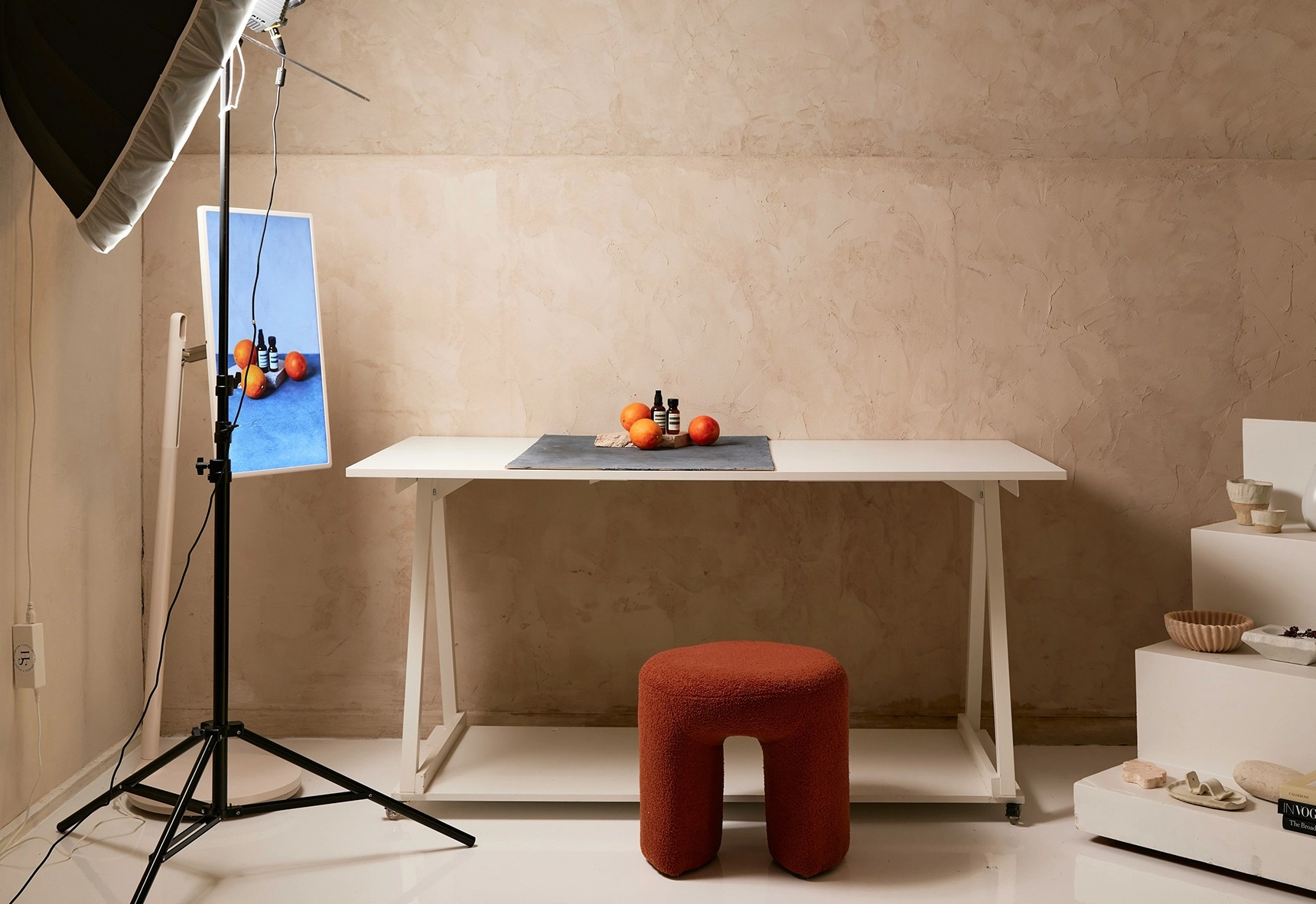
Is AI a Serious Threat to Conventional Product Photography?
Excerpt from a long-form article for Plytix, a SaaS company. Additional article samples and project details available upon request.
There was a time when Monet captured the light itself, becoming the gardener of colors and water lilies in his home at Giverny. Over time, both painting and photography evolved, but let’s be real, they really shook things up, making some painters’ jobs almost like dinosaurs. Now, with AI in the picture, we’ve got to ask: will it kill off traditional product photography or give it a fresh new start?
In this article, we’ll explore how AI is transforming product photography, unpacking the pros and cons of this tech takeover to see if it’s here to steal the spotlight or just add some flair to capturing products. Curious? Say cheese and keep reading!
What’s the Buzz Around AI Product Photography?
It’s no wonder AI product photo tools are buzzing around like ants at a picnic! It’s easy to get lost in a wonderland of DALL·E, Midjourney, Stable Diffusion and a buffet of AI photo editors, color correctors and magical background removers. No matter if you're running a small business or a major brand, these tools are being snatched up by everyone.
Who’s Using AI in Product Photography?
As of August 2023, over 15 billion images have been generated using AI. Among them, Casablanca and Levi’s, which has launched a pilot with AI-generated models from Lalaland.ai.
Tom Crawl, a member of the Professional Photographers of America, notes that “smaller companies with limited budgets can leverage AI tools to create professional-quality images.” Just take a look at Claid.ai’s website, which showcases their small and medium-sized clients using these solutions to generate and edit product photos.
So, what else does this post-photographic era reveal? A report shows that:
-85% of professional photographers think AI will transform the photography industry within the next five years.
-AI-powered editing software has the potential to boost workflow efficiency by 50%. -72% of consumers favor customized visual content generated through AI tools.
On the flip side, a study shows that some view AI photography as a "virus" disrupting traditional photography, raising concerns that it may redefine product photography. With all this hype, let’s jump into some essential features:
AI Product Photography: Efficiency, Savings and Adaptability
So, here’s the deal: “the rise of AI in the photography industry isn't just about lenses and light; it's about algorithms and efficiency” (Worldmetrics).
Some features include:
● AI-generated images are budget-friendly, minimizing costly photo shoots and lighting.
● Enhanced efficiency and productivity through machine learning.
● Improved consistency in product images for a seamless shopping experience.
● Boosted creativity and originality.
● Easy adaptation to new technologies.
Photographer Lee Iveson drops wisdom on his YouTube channel saying AI photography is here to stay. “It’s a brilliant tool to speed up my workflow and simplify tedious tasks, allowing me to spend more time photographing.” Similarly, cmoriarty13 from Reddit advice to “use AI to make your services faster and more affordable. We extensively use AI in our retouching, for storyboarding, generating rough mockups of the creative direction so we can align our vision.”
Traditional Product Photography: Unlimited Creativity at the Core
Robots will never replace a heart... So, what exactly can human photographers do that robots can’t?
● Highest-quality, personalized work aligned with the brand's vision and values.
● Fewer customer complaints about mismatches between product photos and actual deliveries.
● Tailored shoots that meet specific brand requirements, offering flexibility with angles, colors and compositions.
● Detail and customization crucial for strong visual identity.
● Fewer copyright concerns—check out The Legal Issues Presented by Generative AI.
On the other hand, AI may miss that human touch and control that photographers have over the aesthetics of the final product, which is crucial for a unique visual identity. Photographer Jorge Barreno puts it well: “No AI can match the unique eye and personal touch of a skilled photographer when capturing the true beauty of a scene or product.” Plus, human photography offers a level of customization that AI often lacks, with algorithms frequently preset and automated, leaving little room for personal flair.
The Bottom Line
While AI product photography is advancing and threatening traditional methods, combining both can create a collaborative masterpiece. By weighing costs, customer impact and brand identity, businesses can decide how to best utilize one, the other or both technologies. After all, in a world where robots might judge art, let’s ensure they don’t get all the good angles!
Publicar un comentario